
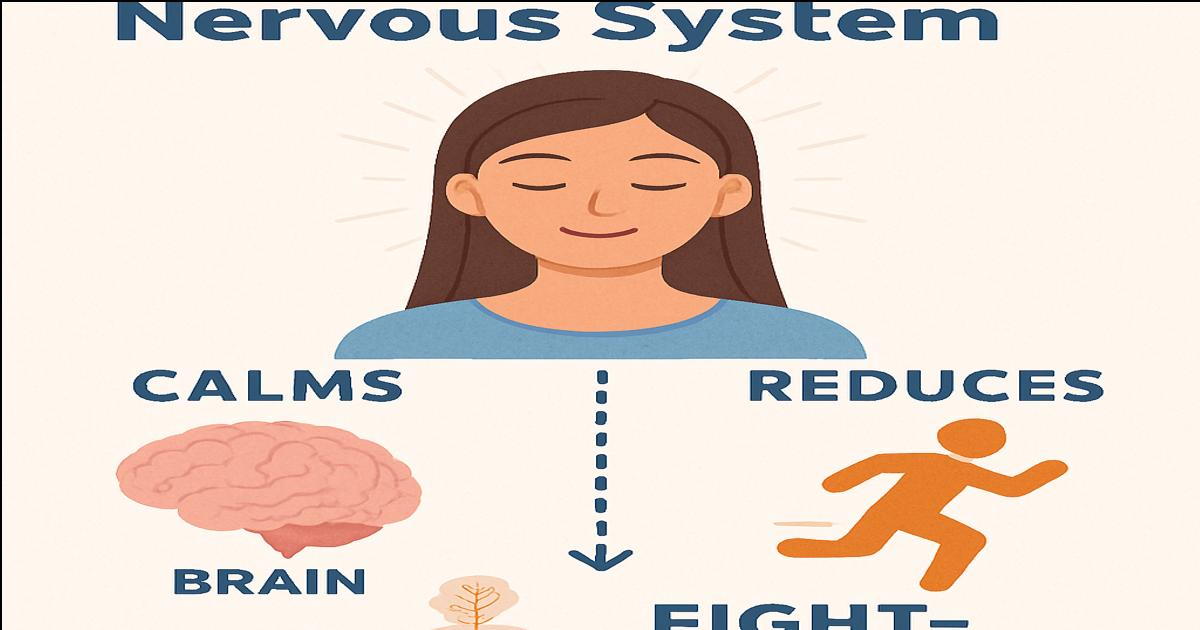
How mindfulness calms the nervous system and reduces the fight-or-flight reaction
Stress in our lives is a part of modern life. Most individuals are left feeling anxious, overwhelmed or isolated. When the mind detects danger the body resorts to fight or flight mode. It is a survival mechanism to keep us safe. But when it remains active for an extended period of time it brings long term problems. Stress that is chronic impacts both body and mind. That is where mindfulness meditation steps in.
Mindfulness is the easy practice of being present. It enables individuals to be conscious of their surroundings, emotions and thoughts without judgment. This relaxed state enables the body to unwind. With time, mindfulness has the ability to reboot the nervous system and produce a more salubrious reaction to stress.
Understanding the Fight or Flight Reaction
The sympathetic nervous system is the one that controls the fight or flight response. It prepares the body for danger. Activated and the heart pumps faster. Breathing is shallow. Muscles become tense. Blood flow is directed to large muscle groups. This response is good in emergencies. But during normal life, it can turn harmful.
Stress initiates this response even in the absence of any actual danger. Deadlines, noise traffic or emotional pressure are all possible causes. When this response remains active the body fails to return to its natural state of equilibrium. This generates chronic anxiety, poor sleep and even physical pain.
Mindfulness meditation reverses this process. It permits the parasympathetic nervous system to activate. This system activates rest healing and digestion. With repetition the body learns to move away from fight or flight and into relaxation.
What Is Mindfulness Meditation
Mindfulness meditation is a technique that conditions the mind to remain present. It is usually practiced by concentrating on breath or body sensations. When the mind becomes distracted the practitioner gently returns his focus. It is not stopping the thoughts but being aware of them without response.
This practice assists in creating awareness and patience. It provides a buffer between response and stimulus. Mindful people can stop when confronted with stress. They can respond with consideration rather than reacting on the spur of the moment. This pause provides room for healing.
Benefits of Mindfulness on the Nervous System
Studies indicate that mindfulness reorganizes the brain and body. It decreases activity in the amygdala, the fear center of the brain. It also makes the prefrontal cortex which is involved in making decisions and self control stronger. This helps with emotional regulation.
Mindfulness meditation slows the heart rate. It decreases blood pressure. It relaxes tense muscles. Gradually it lays a solid foundation for an equilibrated nervous system. Individuals practicing mindfulness feel calmer, more grounded and more present.
Mindfulness also raises levels of GABA, a neurotransmitter that quiets the brain. It lowers cortisol, the body’s primary stress hormone. These actions promote health overall. On regular practice the nervous system hardens.
The Role of Positive Psychology
Positive psychology emphasizes strengths, well-being and happiness. It is compatible with mindfulness. Both methods are designed to enhance mental health rather than merely treat illness. They assist individuals in creating a life that is meaningful and filled with joy.
Mindfulness promotes acceptance. Positive psychology promotes growth. They complement each other in promoting mental clarity, emotional stability and self compassion. Cultivating gratitude, for instance, increases mindfulness. It maintains focus on the present moment and fosters positive emotions.
When individuals incorporate mindfulness meditation with positive psychology, they become more optimistic. They see the good things in life. This change minimizes the effect of negative thoughts. It calms the nervous system and establishes emotional balance.
How to Begin Mindfulness Meditation for Beginners
It may seem difficult to start a new habit. Yet beginner’s mindfulness meditation is easy. It only takes a few minutes per day. Practice becomes second nature and richly rewarding over time.
Below are some simple steps to get started:
1. Find a Quiet Space
Select a quiet spot with minimal distractions. Sit on a bench or cushion. Maintain a straight and relaxed back.
2. Focus on the Breath
Close your eyes and breathe deeply. Feel the air coming in and going out of your body. Maintain attention on the breath. Bring it back softly when your mind drifts.
3. Begin Small
Start with five to ten minutes. You can grow from there as you become more comfortable. Frequency is more crucial than length.
4. Be Nice to Yourself
Thoughts will appear and disappear. That is natural. Do not criticize yourself. Just come back to the present moment repeatedly.
5. Practice Daily
Make it a routine. You can practice in the morning to begin the day peacefully or at night to relax.
These tiny actions culminate in mindfulness. They eventually calm your nervous system and transition it to a relaxed state. You start responding to life clearly rather than in tension.
Real Life Impact of Mindfulness
A lot of people say they feel calmer after practicing mindfulness meditation. They sleep better. They manage conflict more easily. They feel more connected to other people. These shifts are not just in the mind. They are in the nervous system.
For instance a person with anxiety will experience tension all the time. Their thoughts come quickly and their body remains on edge. Through mindfulness they learn to decelerate. They become aware of the trigger and patterns. Through practice they react differently. The body relaxes and the mind clarifies.
Parents, professionals, caregivers and students all gain from being mindful. It is a versatile technique. It can adapt to any way of life. Its impact accumulates over time.
Supporting Families with Mindfulness
At Compassionate Family Connections we have faith in the potential for mindful living. Families today have numerous demands. Children and adults feel stressed. Mindfulness offers a way to reconnect.
Parents who are mindful become more patient. They hear more deeply. They demonstrate emotional equilibrium. Children absorb from what they observe. When families meditate together they become stronger. They develop bonds founded on trust and peaceful presence.
Therapists incorporate mindfulness into sessions as well. It makes clients more aware of their thoughts. It deactivates reactivity. It constructs emotional intelligence. These are benefits that aid healing and growth.
Mindfulness Meditation as a Daily Wellness Practice
Mindfulness meditation is more than a stress reduction activity. It is a daily wellness practice. It aids brain health, emotional well-being and physical relaxation. Meditators experience long term benefits.
It also enhances focus and memory. It increases creativity. It creates resilience in the face of challenges of life. It facilitates healing from trauma and loss. These impacts cascade into all areas of life.
When the nervous system is relaxed the body heals faster. The mind processes more clearly. Relationships are better. Work is more concentrated. Life starts to feel more manageable and joyful.
Integrating Mindfulness Into Daily Life
You don’t have to sit quietly for hours. Mindfulness is a part of everyday life. Here are easy ways to remain present:
- Eat with full attention
- Walk undistracted
- Deeply listen during conversation
- Breathe slowly when stressed
- Pause before responding
These little behaviors introduce awareness into everyday activities. Stress is alleviated, mood enhanced. With every mindful second the nervous system equilibrates.
Final Thoughts
Mindfulness meditation provides a soothing means of healing. It quiets the nervous system and minimizes the fight or flight response. This ancient technique has the support of current science. It promotes mental as well as physical health.
At Compassionate Family Connections we encourage you to consider this journey. No matter if you are new to mindfulness or have some experience, you can benefit. Begin in small ways. Be regular. Pay attention to the changes in your body and mind.
Mindfulness leads to a more tranquil life. It keeps you rooted in the present. It creates emotional resilience and mental acuity. In a hectic world mindfulness keeps you connected to yourself.